


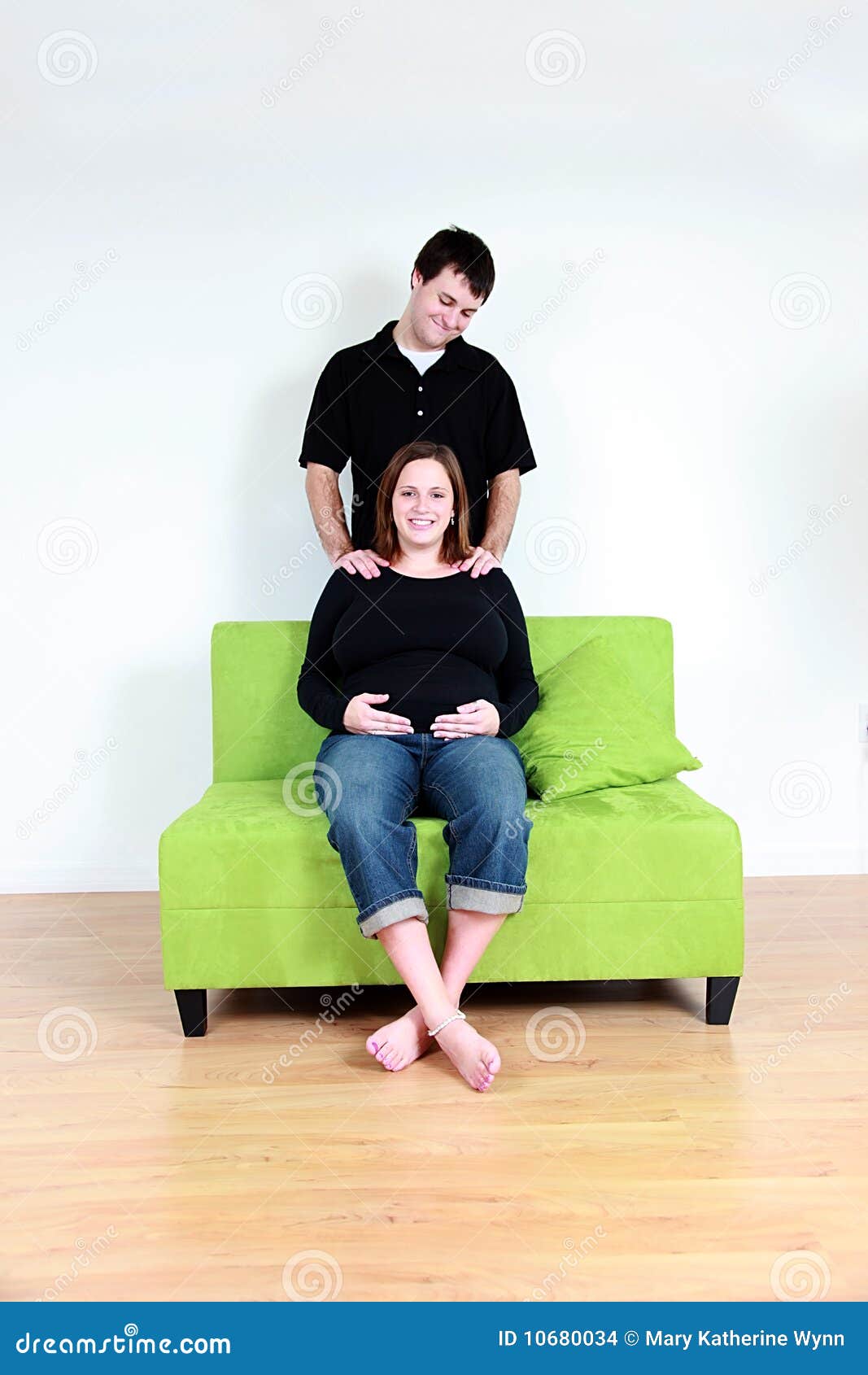
Pregnancy is a time of immense adjustment, both physically and psychologically. As the body adapts to support an expanding infant, lots of anticipating mommies experience pain, muscle tension, and tension. Prenatal massage therapy supplies an all-natural, risk-free method to ease these challenges while promoting general wellness. In this blog, we’ll discover the safety of prenatal massage, its benefits, the most effective time to obtain one, and what methods are made use of to support mothers-to-be throughout their pregnancy trip.
Advantages of Prenatal Massage
Prenatal massage therapy supplies countless benefits for both mother and infant. Some of the crucial benefits include:
- Decreased Muscular Tissue Stress and Discomfort: Alleviates typical pregnancy-related pains such as back pain, sciatic nerve pain, and leg pains.
- Boosted Flow: Enhances blood circulation, minimizing swelling in the legs and feet.
- Hormone Balance: Researches suggest that massage therapy reduces anxiety hormones like cortisol while increasing feel-good hormones such as serotonin and dopamine.
- Better Sleep Top quality: Advertises relaxation, causing much deeper and extra relaxed rest.
- Stress And Anxiety and Anxiousness Decrease: Helps calm the nervous system and reduce prenatal anxiety, benefiting both mother and baby.
- Enhanced Flexibility and Mobility: Relieves joint stress triggered by weight gain and postural modifications.
Routine prenatal massage sessions can considerably enhance a mother’s physical and emotional wellness during pregnancy.
Is Massage Therapy While Pregnant Safe?
Prenatal massage therapy is usually risk-free when executed by a skilled massage therapy specialist accustomed to pregnancy-specific methods. However, particular safety measures should be considered to guarantee the security of both the mommy and baby. Some professionals suggest care in the first trimester, as this is one of the most sensitive stage of maternity. While there is no clear-cut proof linking massage to problems, many therapists suggest waiting till the second trimester before starting routine sessions.
For women with risky maternities, including those with preeclampsia, gestational diabetic issues, or a history of preterm work, seeking advice from a doctor before obtaining massage therapy is crucial. In these situations, additional safety measures may be required to make certain security. As pregnancy proceeds, resting on the stomach becomes uncomfortable and potentially dangerous.Read here https://best-massage-valencia.com/prenatal-massage/ At our site To address this, massage therapy specialists utilize specialized pillows or side-lying positioning to keep the body sustained while easing pressure on the abdomen.
When executed with these precaution in place, prenatal massage therapy is a beneficial therapy that can aid anticipating mothers manage discomfort and advertise general well-being.
Strategies Utilized in Prenatal Massage Therapy
Prenatal massage therapy therapists utilize specialized strategies to make sure comfort and safety for anticipating mommies. Some common techniques include:
- Swedish Massage therapy: A mild technique that boosts flow, lowers swelling, and promotes relaxation.
- Side-Lying Positioning: Since lying level on the back can be awkward in later pregnancy phases, specialists placement customers on their side with support pillows for ideal comfort.
- Light to Modest Stress: Deep tissue massage is typically stayed clear of, particularly on areas vulnerable to stress, such as the reduced back. Instead, gentle stress is used to ease pain.
- Lymphatic Drainage Massage therapy: Helps reduce swelling in the legs and feet by promoting lymphatic fluid movement.
- Breathing-Focused Methods: Some therapists include assisted breathing exercises to boost relaxation and oxygen flow.
These techniques make sure that prenatal massage is both efficient and secure for expecting ladies.
Beginning Prenatal Massage: Which Trimester Is Finest?
Expectant ladies can take advantage of massage throughout all stages of maternity, but the strategy may differ depending on the trimester:
- First Trimester (Weeks 1-12): While massage therapy is generally risk-free, some service providers favor to wait up until the 2nd trimester due to the level of sensitivity of very early pregnancy.
- Second Trimester (Weeks 13-27): This is frequently the most comfortable time for massage, as early morning health issues tends to go away, and the expanding belly is not yet too cumbersome.
- Third Trimester (Weeks 28-40): Massage assists ease swelling, back pain, and stress and anxiety as the body gets ready for work. Side-lying positioning makes sure convenience and safety.
Inevitably, the best trimester for a prenatal massage depends upon private needs and comfort degrees, but many women discover the second and third trimesters particularly beneficial.
Pregnancy-Related Swelling: How Massage Therapy Helps
Massage treatment is extremely reliable in decreasing pregnancy-related swelling, commonly referred to as edema. Swelling is a constant concern because of raised blood volume and liquid retention, particularly in the legs, feet, and hands. Mild massage therapy strategies motivate lymphatic water drainage, aiding to move excess fluids out of inflamed areas and improve total circulation. By increasing blood circulation, massage minimizes liquid buildup while promoting oxygen and nutrient distribution to tissues.
As the womb expands, it can put pressure on capillaries and joints, which might add to swelling and pain. Massage treatment helps ease this pressure by enhancing flow and alleviating stress in affected areas. While massage therapy can be a valuable tool for managing pregnancy-related swelling, extra approaches such as staying moisturized, raising the legs, and taking part in light activity can further sustain blood circulation. If swelling appears suddenly or ends up being extreme, it is essential to get in touch with a doctor to eliminate underlying problems such as preeclampsia.
Customizing Prenatal Massage Therapy Strategies to Specific Demands
Prenatal massage therapy is particularly adjusted to accommodate the one-of-a-kind physical and hormonal adjustments of pregnancy. The techniques are very carefully adapted to guarantee safety and performance.
- Custom-made Positioning: Rather than lying flat on the back or tummy, anticipating mommies are placed on their side with helpful cushions for convenience and security. Some specialists might utilize specifically made tables with stubborn belly cutouts, however side-lying positioning is normally the chosen and best option.
- Gentle and Targeted Pressure: Light to moderate stress is made use of as opposed to deep tissue techniques, as maternity raises muscular tissue level of sensitivity and blood circulation. Particular locations, such as the reduced back and legs, need specific techniques to avoid too much strain or pressure on capillary.
- Concentrate On Pregnancy-Specific Tension Locations: The lower back, hips, shoulders, and legs typically experience discomfort while pregnant. Massage therapy therapists focus on these locations to supply alleviation while staying clear of stress points that can possibly promote tightenings.
- Individualized Treatment Plans: Each session is customized to the person’s needs, whether it’s lowering swelling, easing neck and back pain, or advertising relaxation. Specialists consider maternity stage, wellness conditions, and pain tolerance when designing the massage strategy.
By customizing methods per woman’s demands, prenatal massage offers a secure and efficient way to eliminate pain throughout maternity.
Exactly how Commonly Should You Get a Massage During Pregnancy?
The frequency of prenatal massage depends on a person’s demands, degree of discomfort, and any kind of pregnancy-related signs and symptoms. In the initial trimester, some ladies select to have occasional massage sessions every 3 to 4 weeks if approved by their healthcare provider. These sessions can assist with stress alleviation and relaxation during the beginning of maternity.
By the 2nd trimester, as the body goes through more substantial modifications, biweekly or monthly massages may be helpful in handling neck and back pain, muscle stress, and postural pressure. Several women find this phase to be the most comfy time for massage therapy, as morning health issues has generally diminished, and the child bump is not yet as well big.
In the third trimester, as the body experiences higher discomfort, swelling, and prep work for work, weekly or twice monthly massage therapy sessions can help reduce discomfort, minimize tension, and boost flow. The added weight and changes in posture can cause stress on the reduced back, hips, and legs, making regular massage therapy sessions particularly useful throughout this phase. Females with high-risk pregnancies or underlying health problems must constantly look for clinical recommendations prior to organizing routine massage treatment.
Prenatal Massage Therapy Sessions: What to Expect
For those experiencing a prenatal massage for the very first time, understanding what to expect can help alleviate any kind of unpredictability. A regular session includes:
- Preliminary Consultation: The massage therapy specialist will certainly assess your medical history, review maternity signs and symptoms, and identify any type of areas of pain. If you have a high-risk pregnancy, you might require medical clearance before obtaining a massage therapy.
- Comfy Positioning: You’ll be positioned on your side with encouraging pillows for maximum comfort and safety and security. Some therapists may provide a reclining position to minimize pressure on the abdomen.
- Gentle and Concentrated Massage: The specialist will use long, calming strokes to ease muscle mass stress and advertise relaxation. Swollen areas, such as the legs, might get lymphatic drain techniques to enhance circulation, and special focus is offered to the reduced back, shoulders, and hips, which bear additional weight while pregnant.
- Post-Massage Assistance: After the session, the specialist might suggest hydration, gentle stretching, or breathing methods to improve the massage’s advantages. Considering that relaxation can often create faintness, you’ll be encouraged to stand gradually.
Prenatal massage therapies are developed to be kicking back and comfy. If anything feels awkward during the session, it is necessary to connect with the specialist so adjustments can be made to stress or positioning.
Postpartum Recovery: The Duty of Massage Therapy Treatment
Massage treatment is highly useful for postpartum recovery, providing physical and emotional support as brand-new mothers adjust to life after giving birth. Labour and delivery can put substantial stress on the back, hips, and shoulders, specifically for moms who are breastfeeding or lugging their newborn frequently. Massage treatment aids relieve postural tension and muscle discomfort, allowing the body to straighten and recoup a lot more effectively.
Swelling that persists after childbirth due to fluid retention can additionally be minimized with massage, as lymphatic water drainage techniques motivate the body to eliminate excess fluids. Furthermore, massage therapy has actually been shown to promote hormone equilibrium by decreasing stress hormonal agents such as cortisol while enhancing oxytocin degrees. This hormone shift can improve state of mind, support psychological health, and minimize the risk of postpartum clinical depression.
For moms recouping from childbirth, gentle massage strategies can additionally help with pelvic realignment and muscle leisure, specifically after the physical needs of labour. Furthermore, postpartum massage can improve sleep quality, which is often disrupted in the very early months of caring for a newborn.
Ladies recovering from a C-section needs to come close to postpartum massage therapy with care and consult their physician prior to beginning therapy. It is usually advised to wait up until the cut is fully recovered before including massage treatment into the recuperation strategy. With correct support, massage therapy can be a reliable device in aiding brand-new moms recuperate, restore their stamina, and sustain their overall well-being.
Neueste Kommentare